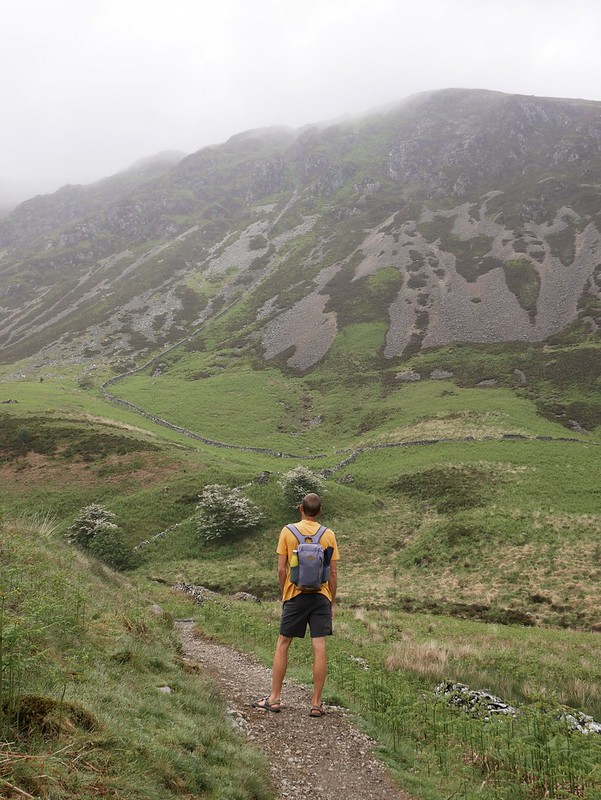
I’m thinking of a path as I write this, not a dramatic one, just a narrow mountain trail where your breath settles into rhythm and your thoughts stop announcing themselves so loudly. You’ve been walking it longer than you planned to. Long enough that the question of whether you chose it or were placed on it doesn’t really matter anymore. At some point the ground beneath your feet becomes more real than the story about how you got there.
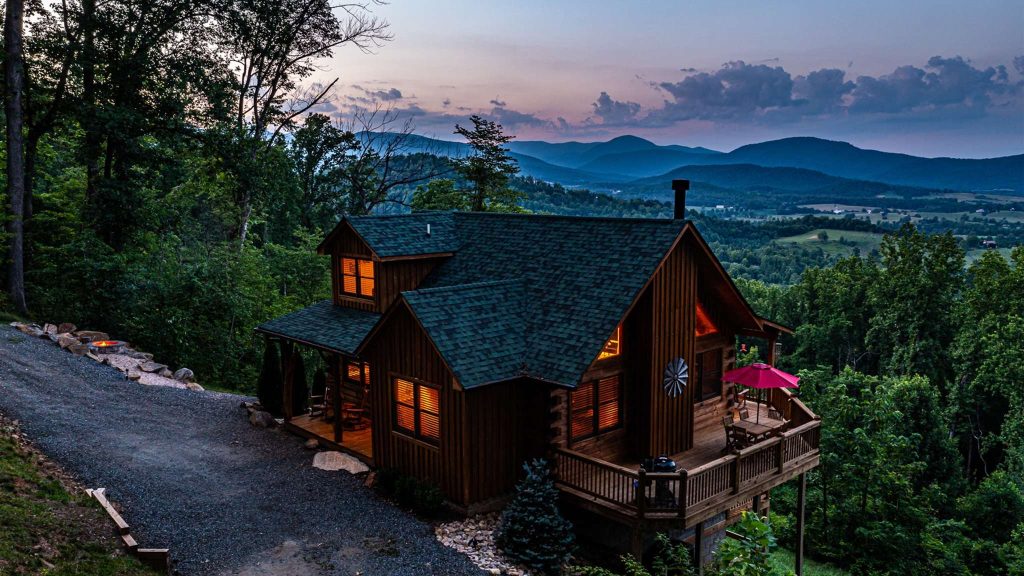
Along the way, you start to notice what other people do with the climb. Some step off early and build a small cabin where the view is good enough. Some later. Some almost at the top of whatever hill they decided was the hill. You can tell when they stop walking because their hands are suddenly free, arranging furniture, lighting fires, explaining why this spot makes sense. And the strange thing is, you don’t feel bitter about it. If anything, you feel a quiet happiness for them. Not everyone is meant to keep walking, and not everyone who keeps walking is meant to arrive.
What begins to show itself, slowly, is how much of life is shaped by what we think we’re looking for. If you believe power looks like confidence, status, authority, certainty, then that’s what you’ll recognize when it appears. You’ll move toward it instinctively. You’ll align yourself with those who seem to have it. And you’ll quietly distance yourself from anything that doesn’t match the picture, especially people who carry visible weakness, confusion, or need. Not because you’re cruel, but because they don’t look like the answer to the question you’re asking.
Here’s where it gets uncomfortable. Sometimes power doesn’t arrive as a thing you can claim. Sometimes it arrives as a person who needs you. Or a situation that strips you of appearances. Or a responsibility that doesn’t flatter you at all. And when that happens, it can feel like disappointment, even betrayal, because it doesn’t resemble what you thought you were praying for. You asked for power and received proximity to powerlessness. You asked for strength and were given something that asked you to grow muscles you didn’t want to admit you lacked.
If you’ve ever noticed people become embarrassed of someone near them when a “more powerful” person enters the room, you’ve seen this dynamic at work. Attention shifts. Allegiances quietly reorganize. The person who reflects effort, cost, or humility suddenly feels like a liability. This isn’t about malice. It’s about desire narrowing perception. When power is desired as elevation, anything that looks like descent feels like a threat.
And this is where a deeper realization tends to surface, usually not all at once. What we see is what we get. If we see power as a concept, an image, a role, then we may get something shaped exactly like that. But if we don’t see it, if it isn’t part of our mental vocabulary, it may still arrive anyway, only in a form we don’t recognize at first. Power doesn’t always announce itself. Sometimes it just stays. Sometimes it asks something of you before it gives anything back.
There’s a strange paradox here that’s easier to feel than to explain. To desire power, really desire it, is often to never have it. Not because desire is wrong, but because it puts you in a posture of reaching. Leaning forward. Measuring. Checking. And while you’re doing that, you may overlook the quieter accumulation happening underneath your feet. The kind that comes from walking when no one is watching, from staying when it would be easier to trade places, from carrying what others refuse to hold.
If you’ve been on that path long enough, you start to see this without resentment. You stop trying to convince people to keep climbing. You stop explaining why you didn’t stop where they did. You learn how to bless the cabins without moving into one. You also learn how to stop interpreting abandonment as a verdict on your worth. Sometimes it’s simply evidence that you were holding something others weren’t ready to receive.
The mountain doesn’t reward desire. It responds to presence. It doesn’t care what you call power. It just keeps shaping those who stay in relationship with it. And maybe that’s the quiet invitation here, not to renounce desire, but to loosen your grip on the image it produces. To let power arrive without demanding it look impressive. To trust that what is being formed in you is real, even if it never announces itself as such.
You’re still walking. Not urgently. Not resentfully. Just honestly. The path continues, the cabins glow below, and whatever power actually is, it no longer needs to be chased. It’s already moving with you, in the way you see, the way you stay, and the way you no longer need to prove where you are on the mountain.
Discover more from Bryant Stratton
Subscribe to get the latest posts sent to your email.