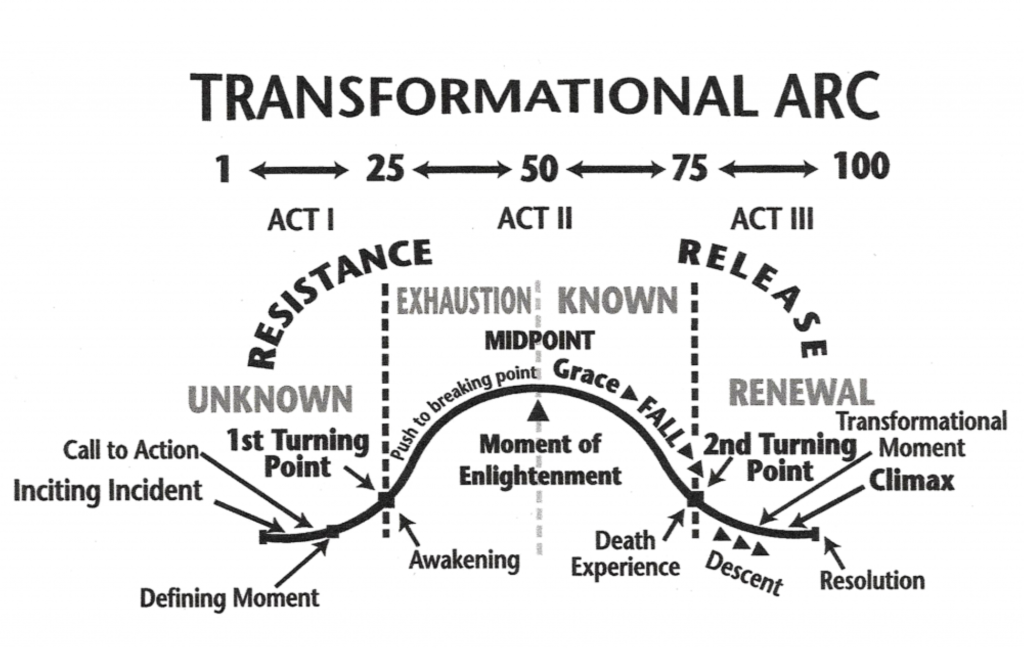
Human beings don’t transform because the world tells them to.
They transform when something breaks through their resistance—
when the life they care about is impacted so deeply that they can no longer pretend they are unchanged.
There are two forces that do this, and both are necessary:
1. Pain that wakes the heart
2. Love that reaches the soul
Everything else is commentary.
The First Path: Pain That Breaks the Shell
It often begins with risk.
We take a chance—
building a family, starting a business, chasing a dream.
At first, the risk feels like adventure.
But the real shift happens when the risk becomes responsibility.
For many of us, the moment that breaks our denial
is the moment we realize we’ve hurt someone we love.
Not intentionally.
Not maliciously.
But because our old patterns were no longer enough.
Parents know this.
Partners know this.
Leaders know this.
Pain breaks cognitive dissonance.
It shatters illusions.
It empties the bucket.
This is the first half of human growth:
Pain shows us who we really are.
It is the collapse before transformation.
The Second Path: Giving That Heals
But pain alone doesn’t rebuild anything.
For that, we need the second force—
precise, safe generosity.
A story illustrates this:
A man once served a king—
a man who seemed to already have everything.
People around the king offered him praise, loyalty, status.
None of it touched him.
But this servant knew him.
He knew the king’s private heart.
He found the king’s favorite singer.
Then found a rare recording of a performance almost no one had ever heard.
He gave it to the king quietly.
And the king cried.
Not because of the gift,
but because he felt seen—
not for his power, but for his humanity.
This is the second half of human growth:
Love reveals who we could become.
Pain wakes us.
Love lifts us.
Together, they create transformation.
Why People Stay in Their “Prisons”
Comfort is a prison,
but it is also medicine.
People don’t stay stuck because they’re weak.
They stay stuck because their internal bucket
is not yet deep enough to hold the next pour.
Pushing them before they’re ready
breaks the bucket.
Loving them while they grow
deepens it.
The middle path is simple:
Love people as they are,
and know that it is what it is.
Growth cannot be forced.
Only supported.
What This Means for Systems and Society
These two paths—
pain and precise generosity—
are also the foundation of how communities and organizations evolve.
Human behavior that is:
- consistent
- generous
- coherent
- trustworthy
- aligned with responsibility
should be recognized, reinforced, and rewarded.
Not through flattery.
Not through manipulation.
But through systems that track and honor real contributions.
This is where tokenization comes in—
not to commodify love or morality,
but to structure proof of giving and access to opportunity.
A healthy token system shouldn’t measure sentiment.
It should measure behavior—
the kind of behavior that actually reduces suffering
and increases coherence.
Just like the man who made the king cry,
the tokens we reward should be:
- intentional
- rare
- meaningful
- deeply human
- impossible to fake
Not coins for hype,
but markers of genuine contribution.
Why This All Matters Now
We are entering a world where:
- work is changing
- identity is shifting
- institutions are destabilizing
- attention is the new resource
- trust is the new currency
In this world, we don’t need perfect systems.
We don’t need utopia.
We need structures that create access to opportunity
without trapping people or turning leaders into tyrants.
Systems that understand:
- pain empties the bucket
- love deepens the bucket
- and together, they make people capable of growing
without losing themselves.
That’s the middle path.
That’s near-TRUTH.
And it starts with the simplest insight:
See people.
Love them.
Don’t rush them.
And honor the moments—
both painful and beautiful—
that make us finally capable of becoming who we’re meant to be.
A related article
Discover more from Bryant Stratton
Subscribe to get the latest posts sent to your email.