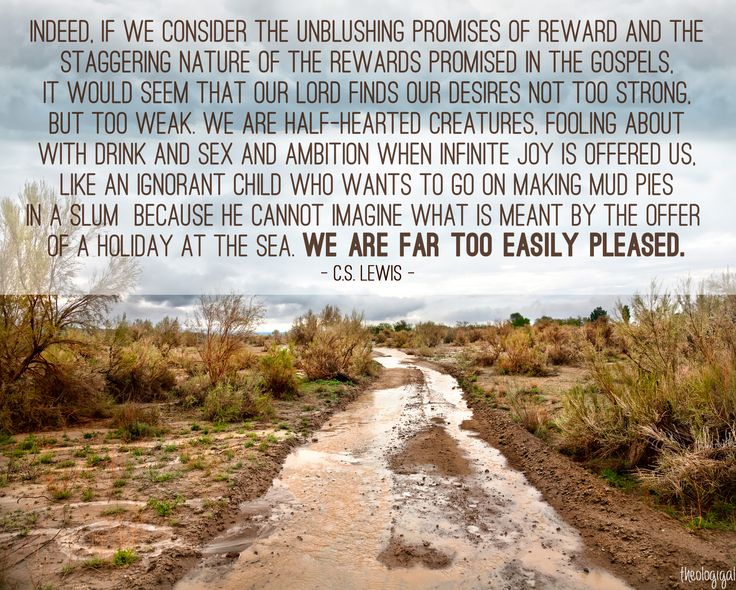
Most of us move through life the way C. S. Lewis described children in a slum:
shaping mud pies while a whole world waits beyond the fence.
Not because we are foolish, but because the slum feels safe.
It is known, predictable, and small enough to understand.
But every so often, someone looks up from the mud, senses something more, and begins to listen—really listen—to the world beyond the obvious.
This is where the idea of human echolocation begins.
1. The Limits of What We See
We trust our eyes as if they deliver the truth, yet they give us only flat, 2D information.
One image from the left eye.
One from the right.
The brain, not the eyes, constructs the illusion of depth.
If you stand on a boat at night and see two distant lights, there is no built-in way to tell which one is closer.
Sailors learned to identify lighthouses not by distance or brightness, but by the pattern of their blinking—because our senses alone cannot tell us the truth.
We live in a world filtered through the narrowest aperture imaginable.
2. Bats Navigate Better Than We Do
Bats learned to compensate.
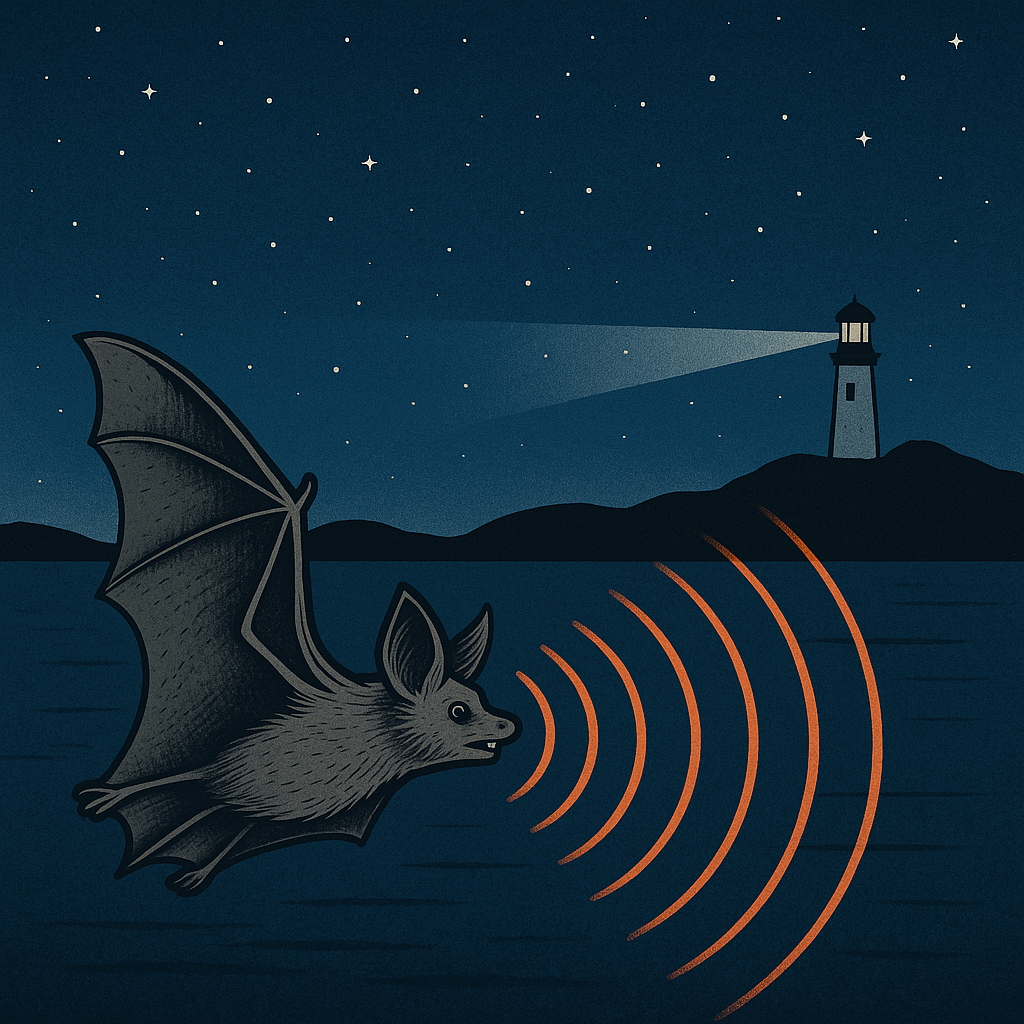
Because darkness hides the details, they send sound into the world and read the returning echoes.
This is how they truly “see.”
Human beings do something similar, although we rarely name it.
Every time you reflect, wonder, question, imagine, or pray, you are sending a signal into the fabric of reality, and the echo that comes back shapes how you navigate your life.
This deeper echo does not come from the five senses.
It comes from a much larger field.
3. The Quantum Field as the Bigger Map
Physics tells us that at the quantum level, time does not exist the way we experience it.
Past, present, and future sit side-by-side like frames in a film.
They are all there, all at once.
We notice “time” only because our physical senses see one frame at a time.
But something in us—call it intuition, spirit, consciousness, or awareness—seems to access the bigger picture.
The frames behind us.
The frames ahead of us.
Some people experience this suddenly:
- A vision that appears during deep rest
- Flash images with no narrative
- A knowing that arrives fully formed
- A clarity about the future long before it appears
Others reach it through practice, stillness, or simply through the courage to leave the slum of the known.
For those individuals, the quantum field is not a theory.
It is a place they recognize.
4. Explorers, Apertures, and Echoes
If life is a cave, most people grow up watching shadows on the wall.
But every so often, a person walks toward the light.
In fractal terms, they widen their aperture.
A small opening becomes a larger one.
A larger one becomes a channel.
A channel becomes a gateway.
Explorers send themselves into the deeper field—like sonar pulses—and bring back information that others cannot yet see.
They are the ones who look at the early Internet in 1991 and say, “This will change everything.”
Or sense the arrival of crypto years before it forms.
Or feel quantum computing long before the world takes notice.
To them, it is not prediction.
It is clear perception.
They are simply receiving echoes from a field that others have not learned to listen to.
5. Why Most People Stay in the Slum
The slum is not evil.
It is familiar.
In the slum, you know the rules, the neighbors, the rhythm.
Outside the slum is desert—quiet, vast, and terrifying.
Leaving it feels like giving up the tools and comforts that have always defined “reality.”
You must walk by intuition instead of sight.
You must rely on deeper awareness instead of certainty.
You must let go of what is familiar.
This is why explorers are rare.
Not everyone is ready to give up safety for truth.
And the moment a person returns from outside the cave to tell the others about the light, the system often removes them.
Not out of cruelty, but because the truth disrupts the story everyone is living in.
6. The Real Question
In the end, the conversation leads here:
Why are some people able to leave the slum?
Why do certain individuals sense what others miss?
Why do some become the explorers, the apertures, the echolocators?
The answer may be simple:
Some people are wired to listen deeper.
Some people cannot stay in a world of shadows.
Some people are called outward by something they do not yet understand.
They are the ones who go into the unknown and return with echoes of the future.
They are the ones who widen the aperture for everyone else.
Conclusion: Echolocation of the Soul
Reality is not just what we see.
It is what we can listen to.
What we can sense.
What we can receive.
Like bats in the night sky, we move through a world that is darker and more mysterious than our senses admit.
But when we dare to send our consciousness outward—toward truth, toward possibility, toward the quantum field—we discover a richer, deeper map of existence.
This is the art of echolocation of the soul.
It is how we find the beach beyond the slum.
It is how we learn to see the world as it truly is.
Discover more from Bryant Stratton
Subscribe to get the latest posts sent to your email.