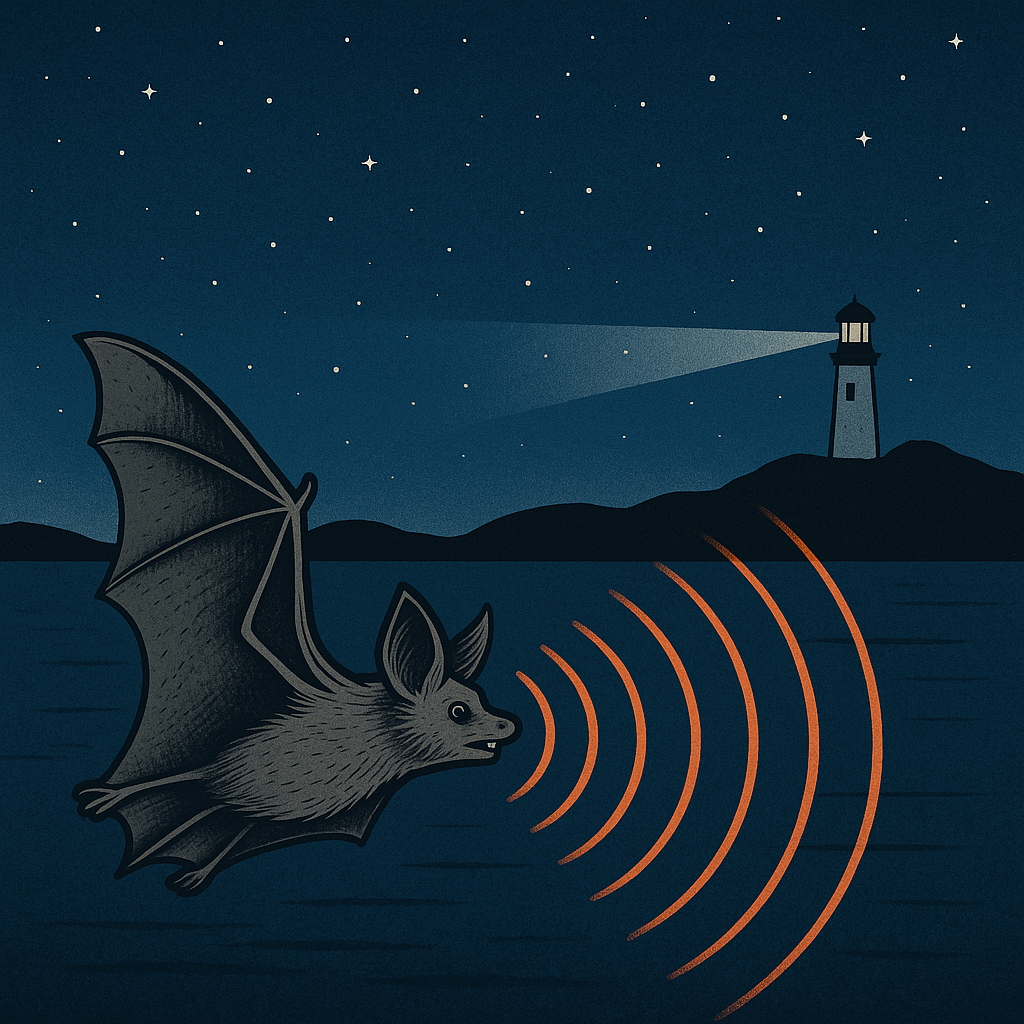
Echolocation of the Soul: How We Discover Reality Beyond the Slum
Most of us move through life the way C. S. Lewis described children in a slum:shaping mud pies while a whole world waits beyond the fence.Not because we are foolish, but because the slum feels safe.It is known, predictable, and small enough to understand. But every so often, someone looks up from the mud, senses…
Read more

Why Adults Forget How to Play — And Why It Matters More Than We Think
Somewhere along the way, most adults stop playing. Not because play stops being fun,but because life teaches us that being “serious” is safer.You hear things like: Little by little, play gets replaced by pressure.We build lives around control, certainty, and safety.We think maturity means being careful. But here’s the truth almost nobody talks about: Play…
Read more
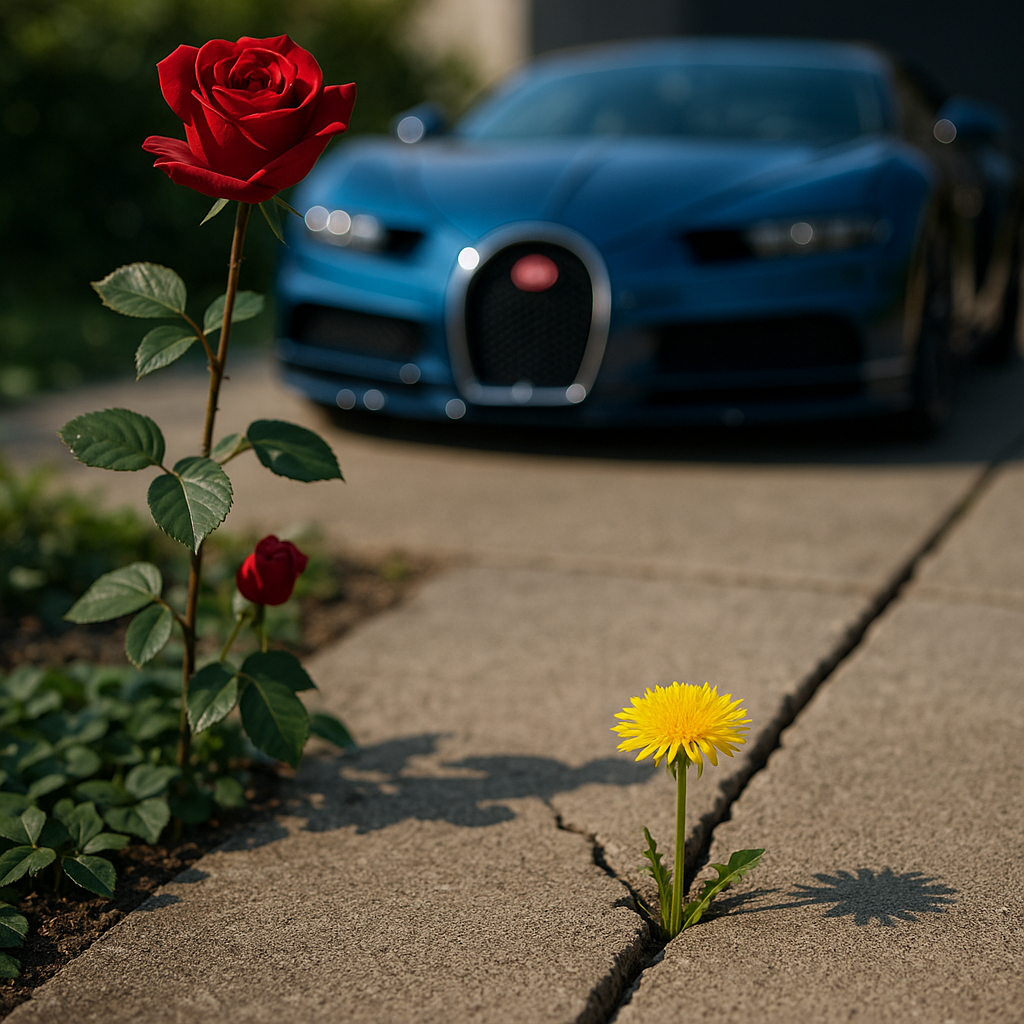
The Dandelion in the Concrete and the Rose in the Garden
Why Real Builders Grow Where Beauty Was Never Promised We admire roses. They bloom in curated soil, behind the protection of trimmed hedges and manicured borders. Their beauty is intentional, cultivated, expected. We don’t fault them for it — they simply grew where they were planted. But every now and then, in the overlooked corners…
Read more
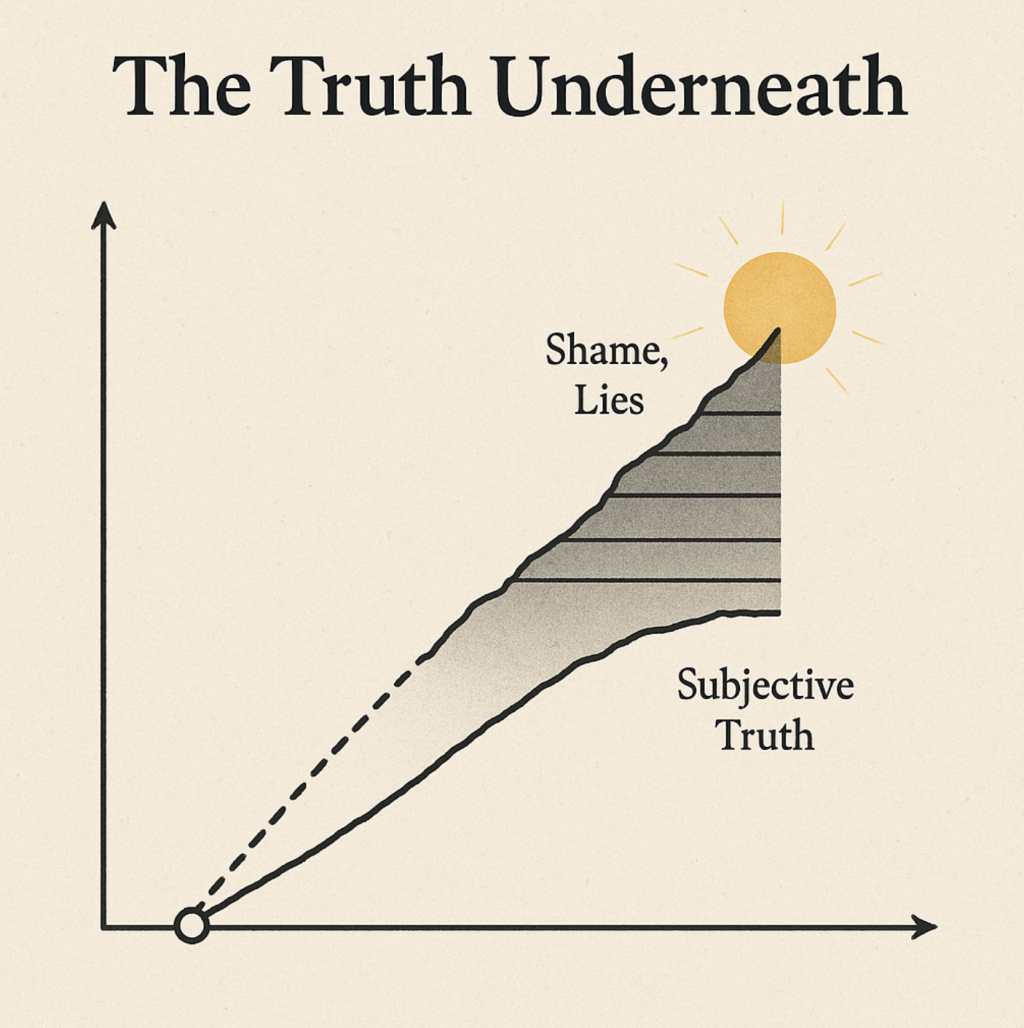
The Truth Underneath
Before You Begin: This Is for You If… This isn’t just another model or philosophy. It’s not here to impress you or tell you how to live.It’s here to help you see, to see something you may already feel but haven’t been able to name. This is for you if: You won’t find judgment here.…
Read more
Developing Responsible Heirs in UHNW Families
The Need: Preserving Legacy and Preventing “Shirtsleeves to Shirtsleeves” Wealthy families often worry that their hard-earned legacy could dissipate or harm the next generation. Research famously shows that only about 30% of families maintain control of their assets and family harmony by the third generation preparingheirs.com. This “shirtsleeves to shirtsleeves” proverb – wealth gained in…
Read more

Intervention Models for Developing Responsible Heirs
Wealth advisors and family coaches employ a holistic mix of educational, experiential, and coaching interventions to help ultra-high-net-worth (UHNW) heirs become responsible, resilient, purpose-driven stewards. Rather than just handing down financial knowledge, these programs focus on character-building, family values, and hands-on experience. Key models include family retreats, rites of passage experiences, structured coaching programs, formal…
Read more
Successful Multi-Generational Wealth Transitions (Case Studies)
Maintaining both substantial wealth and close family relationships across generations is notoriously challenging – only about 30% of families successfully transfer wealth beyond the second generation truist.com. However, several Western dynasties have beaten the odds. Below we examine case studies from family business, real estate, technology, and investment-origin wealth, identifying key behaviors, succession practices, governance…
Read more
Emotional Psychology of Wealthy Patriarchs in Legacy Planning
Core Emotional Fears and Psychological Blocks Wealthy patriarchs often experience a range of deep-seated fears and mental barriers when facing succession or legacy planning. Common emotional concerns include: Each patriarch is unique, of course, but these core fears – losing control, facing mortality, losing identity, mistrust, family conflict, regret, and isolation – form a psychological…
Read more
Family Wealth & Legacy Transfer Fact Check
Powerful people secretly want to build heirs who don’t crumble under pressure, shame the family name, or blow up relationships. So, let’s fact check what really works. “At the core of every successful wealth transition is not the structure, it’s the people.” What preserves a legacy isn’t just documents — it’s character. My work helps…
Read more
Why Complaints Used to Bother Me—And What Finally Freed Me
by Bryant Stratton The other day, a woman looked down at her shoes and said, “I’m wearing really ugly crocs.” Then she turned to me and asked, “Do you have an opinion on crocs?” I paused. I didn’t want to lie. So I said, “Actually, no—I don’t have an opinion on crocs.” But then I…
Read more