
The Pattern
When most people read Second Epistle of Peter 1:5–7, they see a ladder.
Faith.
Goodness.
Knowledge.
Self-control.
Perseverance.
Godliness.
Brotherly affection.
Love.
It is usually interpreted as a moral staircase. Improve yourself step by step and you reach the top.
But when you observe real human systems, something else appears.
Not a ladder.
A branching pattern.
Under pressure, groups repeatedly generate the same behavioral layers. These layers stabilize coordination long enough for the system to function.
They appear in startups.
In political movements.
In religious communities.
In families.
In scientific teams.
The ancient list from Peter looks less like moral instruction and more like an early observation of how humans coordinate when uncertainty rises.
Each stage reflects a behavioral strategy that stabilizes a group for a period of time.
Until it doesn’t.
Where the Pattern Begins
Every coordinated system begins with an assumption.
Someone says:
“Let’s try this.”
That simple moment creates the first layer.
Assumption (Faith)
A group accepts a direction before it has proof.
Without that starting assumption nothing moves.
No company launches.
No research project begins.
No expedition leaves shore.
This assumption holds a system together just long enough for action to begin.
But assumption alone cannot maintain stability.
The system needs signals.
Cooperation Signals
Once movement begins, people look for indicators of reliability.
Who is contributing.
Who is helping.
Who can be trusted in the coordination loop.
Signal (Goodness)
Acts of reliability become visible markers.
Helping behavior, cooperation, generosity. These behaviors function like green lights inside a social system.
They tell others:
“You can work with me.”
But signals are easy to copy.
Over time imitation appears.
Signals become performance.
Information Becomes Leverage
Once cooperation begins, attention shifts.
Who understands the system best?
Pattern Awareness (Knowledge)
Information spreads unevenly.
Some individuals start to map relationships, incentives, and pressure points.
Information is power not because it is moral, but because it improves navigation.
People who see patterns earlier move first.
But informational advantage also creates hierarchy.
Knowledge becomes gatekeeping.
Regulation Appears
As systems grow, pressure increases.
Deadlines appear. Competition rises. Stakes increase.
Without internal regulation, coordination breaks down.
Regulation (Self-Control)
People begin dampening reactions.
They delay impulses.
They slow responses.
They absorb volatility.
Regulation stabilizes systems in the same way shock absorbers stabilize a vehicle.
Too little regulation produces chaos.
Too much produces rigidity.
Endurance Becomes Necessary
Eventually the system reaches uncertainty.
Projects stall.
Markets fluctuate.
Outcomes delay.
At this stage most groups dissolve.
The ones that survive demonstrate something else.
Persistence (Perseverance)
People continue despite incomplete signals.
Persistence keeps coordination alive long enough for new information to appear.
But persistence has a shadow.
It can become sunk-cost endurance, where groups continue long after adaptation is needed.
Shared Narratives Form
If a group survives long enough, it eventually produces a unifying explanation.
Why we are doing this.
Why the struggle matters.
Narrative Alignment (Godliness)
Narratives stabilize systems because they reduce friction.
People move faster when they share a common explanation of purpose.
Narratives scale cooperation.
But narratives also harden.
When feedback contradicts them, systems fracture.
Clusters Form
Large systems rarely remain uniform.
High-trust pockets appear.
Small groups begin coordinating tightly.
Local Loyalty (Brotherly Affection)
These clusters accelerate progress.
Inside a trusted circle, people move faster.
They share resources.
They solve problems quickly.
But clusters create boundaries.
Outsiders become competitors.
System-Wide Cooperation
At the largest scale, something rare appears.
Different clusters begin working together.
Not because they must, but because coordination becomes mutually beneficial.
Distributed Cooperation (Love)
When this occurs, systems reach their highest level of stability.
Groups exchange resources across boundaries.
Competition gives way to collaboration.
But this stage is fragile.
Asymmetry in trust or resources quickly destabilizes it.
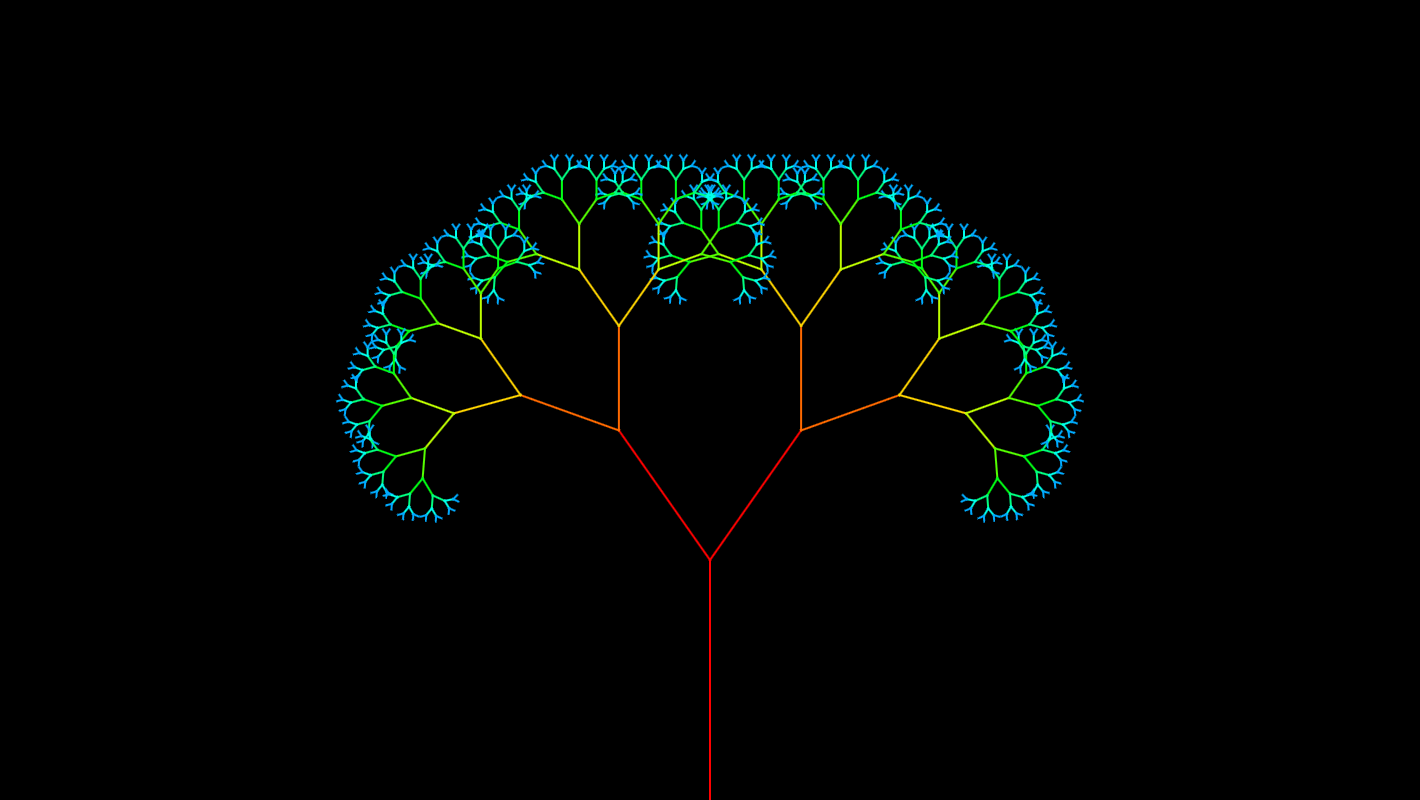
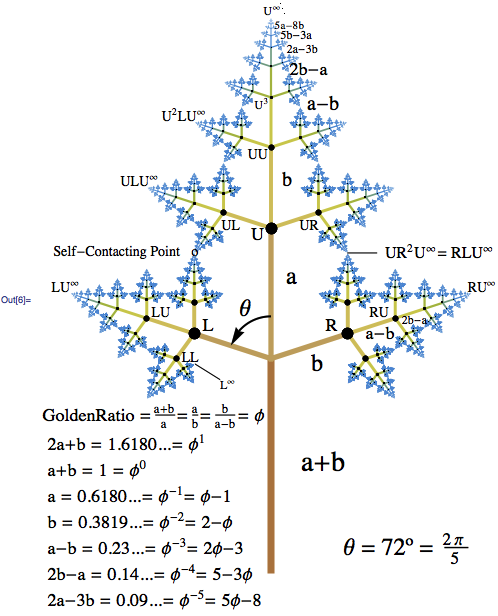
The Fractal Nature of the Pattern
This sequence does not happen once.
It happens repeatedly.
Inside teams.
Inside companies.
Inside institutions.
Every time pressure increases, the same branches reappear.
Assumption.
Signal.
Information.
Regulation.
Persistence.
Narrative.
Cluster.
Cooperation.
Not as a staircase.
As a fractal structure of adaptation.
Each layer stabilizes coordination temporarily.
Each layer also introduces new vulnerabilities.
Seeing the System
Once you recognize the pattern, something changes.
You stop asking whether behavior is right or wrong.
You start asking different questions.
What assumption is stabilizing this group?
What signals are people using to show reliability?
Where is information concentrated?
Which narratives hold the system together?
Where are clusters forming?
Where are cooperation boundaries breaking?
Human systems rarely collapse randomly.
They fracture along predictable structural lines.
The ancient sequence from Peter simply captured one of the earliest recorded maps of those lines.
TL;DR
The list in 2 Peter 1:5–7 is often interpreted as a moral ladder.
Viewed through systems thinking, it looks more like a fractal pattern of social coordination.
Under pressure, human groups repeatedly develop behavioral layers:
- Assumption
- Cooperation signals
- Information awareness
- Internal regulation
- Persistence
- Shared narratives
- Tribal clusters
- Cross-group cooperation
Each layer stabilizes coordination for a time and introduces new vulnerabilities.
Instead of a ladder of virtue, the sequence becomes a map of how human systems organize, adapt, and sometimes fracture under pressure.
Discover more from Bryant Stratton
Subscribe to get the latest posts sent to your email.